Key Takeaways
|
Sewer backups are one of the most overlooked home disasters until foul-smelling water starts bubbling up from a drain or flooding the basement. In a matter of minutes, your safe living space can turn into a contaminated zone filled with dirty water, hidden bacteria, and the stress of wondering what to do next.
In the U.S., the scale of the sewer backup is far bigger than most realize: the EPA estimates there are at least 23,000 to 75,000 sanitary sewer overflows every year, and that number doesn’t even count sewage that backs up inside homes and stays there.
However, most backups are the result of specific, preventable problems building up over time. So, understanding the causes and early warning signs can give you a critical head start before sewage actually enters your home. And if the worst has already happened, knowing how to respond in the first few hours can make all the difference in protecting your health, property, and wallet.
What are the Causes of Sewer Backup in Your Home?
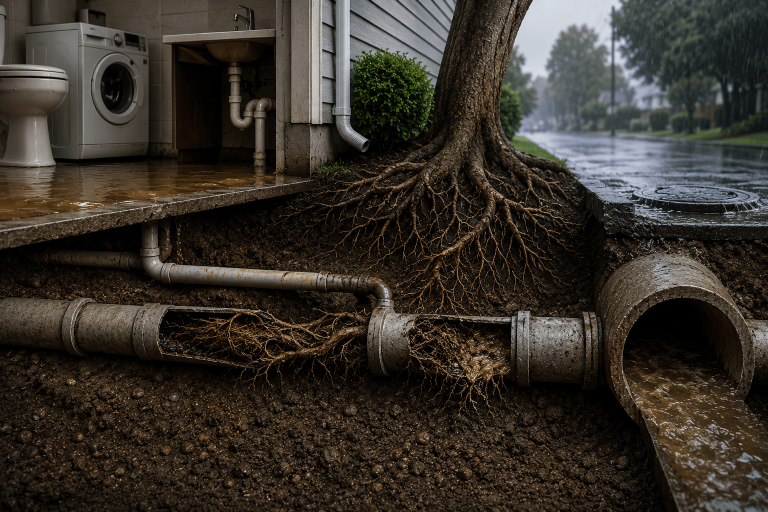
Sewer backups don’t happen out of nowhere. They’re usually the end result of a combination of factors:
- Preventable household habits (grease, wipes, food scraps)
- Natural intrusions (tree roots, groundwater)
- Aging infrastructure (cracked, corroded, or poorly designed pipes)
- System-wide overloads (heavy rain, pump failures, main line blockages)
So, let’s discuss the causes of sewer line backups in detail
1. Blockages in Your Home’s Private Sewer Line
The most common cause of sewer backups in homes is a blockage in the private lateral line—the pipe that connects your house to the public sewer main. Common blockage culprits include:
Grease, fats, and oils
Pouring cooking grease, oil, or fat down the drain may seem harmless, but as it cools, it solidifies inside pipes, sticking to walls and trapping other debris. Over time, this creates a “fatberg” that narrows or completely blocks flow.
Wipes, paper towels, and hygiene products
Even products labeled “flushable” wipes often do not break down like toilet paper. Combined with feminine hygiene products, paper towels, cotton swabs, and cotton balls, they can form dense clogs.
The safest rule for prevention: if it’s not waste or toilet paper, don’t flush it.
Food scraps and garbage disposals
Garbage disposals don’t grind everything fine enough to safely pass through sewer lines. Starchy foods (pasta, rice, potatoes) expand with water, while fibrous foods (celery, onion skins) wrap around blades and clump together.
Soap scum and hair
In bathrooms, hair combines with soap residue to form tough clogs, especially in shower drains and floor drains that are rarely used.
These blockages tend to build up gradually, which is why you might notice slow drains before a full backup occurs.
A real-world example shared on Reddit highlights how misleading sewer backups can be in older homes. A homeowner in a 1970s-built house experienced repeated sewer backups within a short period, with wastewater coming up through a floor drain during shower use. What initially appeared to be a simple grease clog was cleared by a plumber, and a cleanout was installed. However, the problem returned soon after. A follow-up assessment suggested the issue could be old cast iron pipes with internal scaling, where buildup inside the pipe was trapping waste and causing recurring blockages. So, plmbguy suggested that a sewer camera inspection is often necessary to identify the real cause when backups keep repeating. |
2. Tree Roots Invading Sewer Pipes
Tree roots are drawn to the moisture and nutrients in sewer lines. Small cracks, loose joints, or misaligned pipes can become entry points for roots.
Once inside:
- Roots grow rapidly, forming a dense network that traps debris.
- Over time, they can completely block the pipe or even crush older clay or concrete sewer lines.
- Roots are especially problematic in older neighborhoods with large, mature trees near the sewer lateral.
If you have large trees near your sewer line and a history of slow drains or recurring clogs, root intrusion is a likely contributor.
3. Aging, Damaged, or Poorly Designed Pipes
Many homes in the U.S. are connected to sewer lines that are decades old. Over time, these pipes can deteriorate or fail for several reasons:
Pipe issue | Why does it happen? |
Cracks and fractures | Ground movement, freezing and thawing cycles, and heavy traffic loads can crack pipes, especially older clay, cast iron, or asbestos-cement lines. |
Corrosion | Metal pipes can corrode from the inside, narrowing the flow channel and eventually collapsing. |
Bellied or sagging pipes | A “belly” is a low spot in the pipe where wastewater and solids settle instead of flowing freely. This creates a chronic buildup point that eventually leads to blockages. |
Poor original design or installation | Improper slope, undersized pipes, or poorly sealed joints can cause chronic flow problems from day one. |
These issues often require professional diagnosis with a sewer camera inspection and may involve pipe repair or full replacement.
4. Illegal Connections to the Sanitary Sewer
Some homeowners accidentally connect sources of stormwater or groundwater to their sanitary sewer system. Common illegal or improper connections include:
- Sump pumps discharging into the sanitary sewer lateral
- French drains or yard drains tied into the sanitary system
- Downspouts connected to the sewer instead of the storm drain or the ground
During heavy rain, these connections can send large volumes of water into a sewer line that wasn’t designed for it, overwhelming the system and pushing drain backup toward your home.
5. Public Sewer Main Blockages or Failures
Even if your private line is perfectly clear, a blockage or failure in the public sewer main can cause sewage to back up into homes.
Possible issues in the public system include:
- Blockages from grease, debris, or roots in the main line
- Collapsed or broken sewer mains due to aging infrastructure
- Pump station failures during power outages or equipment malfunctions
- Insufficient capacity in older systems during peak flows
In these cases, multiple homes on the same street or block may experience backups at the same time, especially after heavy rain.
6. Heavy Rain, Stormwater, and Groundwater Infiltration
Sanitary sewer systems are designed to carry wastewater from homes and businesses—not large volumes of stormwater or groundwater. However, many systems still face overload during extreme weather:
- Infiltration: Rainwater and groundwater seep into cracked pipes, manholes, and faulty joints.
- Inflow: Stormwater enters directly through illegal connections, roof drains, or improperly sealed manhole covers.
When the system is overwhelmed, wastewater has nowhere to go but back toward the lowest points in the system—often your basement or lower-level drains.
Note: Homes in low-lying areas, near creeks, or with poor site drainage are at higher risk.
7. Municipal System Overloads and Combined Sewers
In some older cities, combined sewer systems carry both wastewater and stormwater in the same pipes. During heavy rain, these systems can exceed their capacity, leading to:
- Combined sewer overflows (CSOs) into rivers, lakes, or streets
- Backups into basements when the system overloads and pressure builds
While CSOs are primarily an environmental issue, homeowners in these areas also face a higher risk of sewer backups during major storms.
What are the Signs of Sewer Backups?
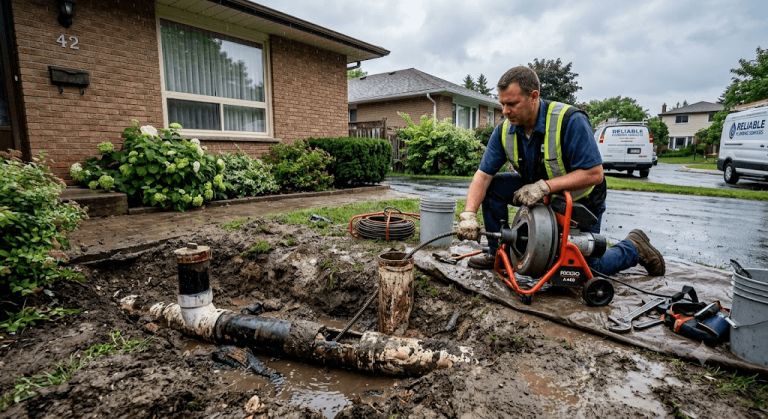
Sewer backups in houses rarely happen without warning. In most cases, your plumbing sends subtle (and sometimes obvious) signals that wastewater isn’t flowing the way it should. Catching these symptoms early can help you stop a minor clog from turning into a full-blown sewage flood in your basement or bathroom. So, let’s discuss the same:
Symptom | What It Means |
Multiple slow drains | Main sewer issue |
Gurgling toilets | Air trapped in the line |
Water backing up | Blockage in the main line |
Sewage smell | Gas escaping system |
Yard wet spots | Underground leak |
Overflow during rain | System overload |
1. Multiple Drains Clogging at the Same Time
One of the clearest signs of a sewer line problem—rather than a simple, isolated clog—is when multiple drains slow down or clog at the same time, especially on the same floor or across different floors.
You might notice:
- Toilets that won’t flush properly
- Sinks, showers, or bathtubs that drain very slowly
- Floor drains that refuse to take water
If you’ve tried plunging or using drain cleaner on one fixture and other drains start acting up shortly after, the issue is likely further down the line, near or in the main sewer lateral.
2. Gurgling Noises from Toilets, Drains, or Floor Drain
When air gets trapped in the sewer line due to a blockage, it tries to escape through the nearest opening—often your toilets or drains. This creates gurgling, bubbling, or glugging sounds.
Common scenarios include:
- A toilet that gurgles when you run the sink or shower
- Bubbling in the toilet bowl after flushing or when using another fixture
- Gurgling from a floor drain when water is running elsewhere in the house
These sounds indicate that the wastewater path is restricted and air is being forced backward through the pipes.
3. Water Backing Up in Unusual Places
One of the most alarming symptoms is when water or sewage appears in a place it never should.
Typical patterns include:
- Water rising in the shower or tub when you flush the toilet
- Sewage backing up into a basement floor drain when using any plumbing fixture
- Dirty water bubbling up from a laundry drain while the washing machine is running
- Toilet water rising unusually high in the bowl and then slowly draining, sometimes with solid waste
If you see wastewater coming out of the lowest drain in your home (often a basement floor drain), that’s a strong indicator of a main line blockage or sewer overload.
4. Slow Drains That Don’t Improve with Normal Clearing
A single slow drain is often a localized clog. But if multiple drains remain slow despite plunging, using a drain snake, or trying chemical cleaners, the problem is likely deeper in the system.
Watch for:
- Drains that were fine a few weeks ago but are now consistently slow
- Slow drainage that gets progressively worse over time
- Clogs that come back quickly after you clear them
These patterns suggest a growing obstruction in the sewer lateral, tree root intrusion, or a structural issue like a belly or collapsed pipe.
5. Unpleasant Sewer Odors Inside or Around the Home
Sewer gas should never enter your home under normal conditions. If you start noticing persistent, foul odors that smell like rotten eggs or raw sewage, it could mean a blockage or dry trap is allowing sewer gases to escape.
Common sources of sewer odors include:
- Basement or floor drains that haven’t been used in a while and have dried-out P-traps
- Toilets or sinks with cracked or damaged seals
- A blocked vent stack on the roof, which prevents proper airflow and traps sewer gas in the system
If you inject water into infrequently used drains and the smell still lingers, especially near drains or cleanouts, the issue may be a partial sewer line blockage.
6. Sewage or Wastewater in the Yard or Around Cleanouts
In some cases, the warning signs of a sewer backup appear outside your home.
Look for:
- Wet, soggy, or sunken patches in the yard, especially along the path of your sewer line
- Unexplained lush, green grass in one area (sewage acts as fertilizer)
- Sewage pooling near your sewer cleanout or manhole cover
- Foul smells coming from the ground near your sewer lateral
If you open your sewer cleanout and see wastewater sitting in the pipe or backing up when you run water inside, you likely have a blockage between your home and the public sewer.
7. Overflowing Toilets or Basement Flooding During Heavy Rain
If your home consistently experiences:
- Toilets that overflow during or after heavy rain
- Basement floor drains that gush water during storms
- Sewage backing up when it rains heavily
This points to a system overwhelmed by stormwater or groundwater infiltration. The sewer line may be taking in too much rainwater, or the public system may be overloaded, pushing water back toward your home.
This pattern is especially common in older neighborhoods with aging pipes, illegal sump pump connections, or combined sewer systems.
8. Recurring Clogs in the Same Fixture
If you find yourself repeatedly calling a plumber or using a drain snake for the same toilet, shower, or floor drain, it may be a sign of a deeper problem.
Recurring clogs often indicate:
- Tree roots slowly growing into the pipe
- A belly or sag in the line where debris collects
- Cracks or collapses that trap waste and debris
- Long-term buildup of grease, soap scum, and other materials
Note: A single clog is usually a one-time issue; recurring clogs in the same spot are a red flag.
Quick Checklist: Is It a Sewer Backup in the Home?
If you notice 2 or more of these, you likely have a problem:
- Multiple drains slow or clogged at the same time
- Gurgling or bubbling noises from toilets or drains
- Water backs up in showers, tubs, or floor drains when using other fixtures
- Persistent sewer odors in the basement, bathroom, or around drains
- Wet spots, soggy soil, or sewage pooling in the yard
- Toilets that overflow or rise unusually high in the bowl
- Recurring clogs in the same fixture despite clearing attempts
- Backup that gets worse during or after heavy rain
What To Do Immediately After a Sewer Backup?
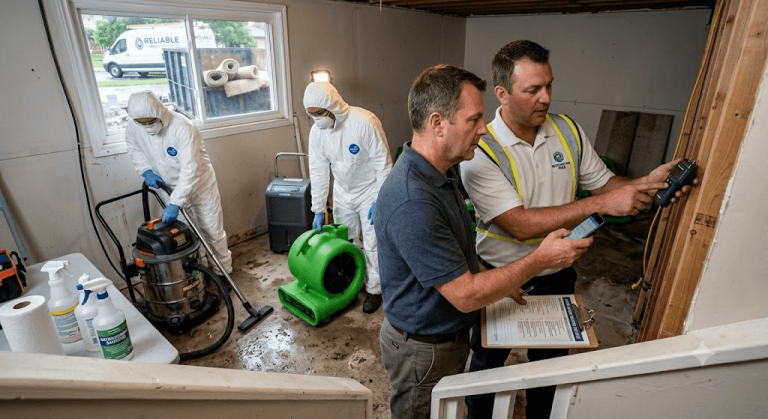
If you experience a sewage backup in the house, act immediately:
- Stop Using Water
- Don’t flush toilets.
- Avoid running sinks.
- Stop using washing machines and dishwashers.
- Stay Away from Contaminated Water: Raw sewage contains bacteria and viruses.
- Turn Off Electricity (If Safe): Never enter standing water around electrical equipment.
- Call a Professional Plumber: A professional inspection can determine whether the problem involves:
- Tree roots
- Pipe collapse
- Main sewer blockage
So, make sure you call as a licensed plumber or sewer inspection specialist
- Document the Damage: Take photos and videos before cleanup.
- Contact Your Insurance Company: Some homeowners policies include sewer backup endorsements.
- Start Cleanup Quickly: Mold can begin developing within 24–48 hours.
How to Prevent Sewer Backups?
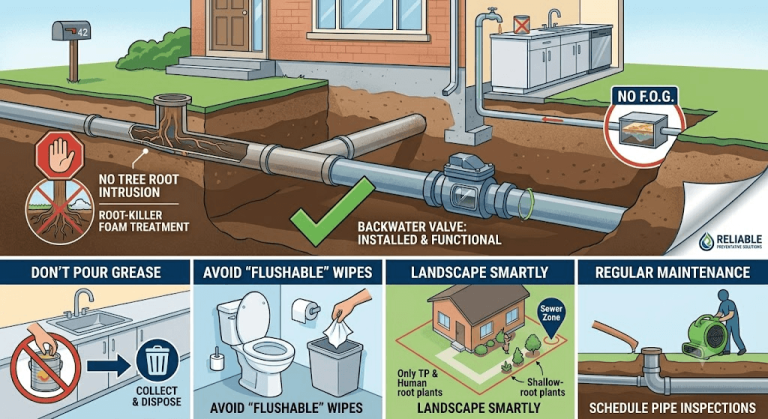
1. Improve Daily Drain Habits
Most sewer backups in houses start with everyday misuse of plumbing systems. Prevent buildup by using drains correctly:
- Dispose of grease, oil, and fat in the trash instead of the sink
- Flush only human waste and toilet paper
- Avoid flushing wipes, paper towels, hygiene products, or cotton items
- Limit heavy or starchy food waste going into garbage disposals
Small habit changes significantly reduce the risk of drain backup and slow buildup inside your plumbing system.
2. Schedule Regular Sewer Line Inspections
Routine inspections help detect issues early before they turn into serious problems.
A professional sewer camera inspection can identify developing blockages or hidden issues inside the line so they can be addressed before they cause a sewer line backup or overflow.
3. Install a Backwater Prevention Valve
A backwater valve is one of the most effective protective devices for preventing reverse flow into your home.
It allows wastewater to flow out normally but automatically blocks sewage from coming back inside during municipal overloads or heavy rain events, reducing the risk of sewage backup in the house.
4. Keep Stormwater Out of the Sewer System
Your sanitary sewer system is not designed to handle stormwater. Prevent overload by ensuring:
- Sump pumps discharge outside, not into sewer lines
- Downspouts direct water away from the foundation
- Yard drains are not tied into the sanitary system
This reduces pressure on the system during storms and lowers the risk of a home sewer backup.
5. Maintain Proper Yard Drainage
Good exterior drainage helps protect your home’s plumbing system.
- Ensure soil slopes away from your home
- Clear clogged gutters and downspouts regularly
- Prevent water pooling near foundations
This reduces excess water entering vulnerable underground systems during rainfall.
6. Act Early on Warning Signs
Do not ignore early plumbing changes, as they often indicate developing issues.
Watch for:
- Slow-draining fixtures
- Gurgling sounds from toilets or sinks
- Sewer odors inside the home
- Recurring minor clogs
Addressing these early can help prevent full sewer backup symptoms from developing into a major incident.
7. Get Professional Maintenance When Needed
If you experience recurring drainage issues, professional maintenance is essential.
Services such as hydro-jetting or targeted cleaning can remove buildup and restore proper flow before it escalates into a sewer backup in house emergency.
8. Know When to Take Action Early
If multiple drains are affected at the same time or backups worsen during rain, it’s time to act immediately and contact a plumber. Early response is the best way to avoid extensive cleanup and damage.
Final Thoughts
Sewer backups are messy, expensive, and potentially hazardous, but they rarely occur without warning. Paying attention to early signs like slow drains, gurgling noises, foul odors, and recurring clogs—and addressing them promptly—can help you avoid serious damage and costly repairs. When in doubt, calling a licensed plumber early is always easier and less expensive than dealing with a major sewage backup in your home.
If you’re dealing with a sewer backup or recurring drain issues, Sketchley Mason Plumbing offers professional plumbing and sewer services, including emergency repairs, drain cleaning, and sewer line inspections. Our licensed team can help diagnose root intrusion, pipe damage, or blockages using camera inspections and provide targeted solutions to restore your system. Contact us today!
Frequently Asked Questions
A sewer backup (also called sewage backup or sewer back up) happens when wastewater cannot flow properly through the sewer line and reverses into a home.
This can result in:
- Drain backup in sinks, toilets, or tubs
- Contaminated water entering basements
- Strong sewage odors indoors
- Severe property and health risks
A home sewer backup is considered one of the most disruptive plumbing emergencies because it affects sanitation, safety, and structural integrity.
Sewer backups are more than just a plumbing inconvenience. They pose serious health, financial, and structural risks:
- Health hazards: Raw sewage contains bacteria, viruses, and parasites that can cause gastrointestinal illness, skin infections, and respiratory problems.
- Property damage: Sewage can ruin carpets, drywall, flooring, and personal belongings, often requiring expensive replacement.
- Mold growth: Damp conditions after a sewage backup can lead to mold within 24–48 hours, creating long-term air quality issues.
- Insurance and resale impact: Repeated sewer backup incidents can raise insurance premiums and make your home harder to sell.
When facing a sewer backup in the house, contact:
✔ Licensed plumber (first step): They inspect and locate the blockage.
✔ Sewer line specialist for:
- Root intrusion
- Pipe collapse
- Deep sewer line backup
✔ Municipal authority: If multiple homes are affected.
Yes. Raw sewage contains harmful microorganisms that can cause gastrointestinal and respiratory illnesses.
Yes. Stormwater infiltration and overloaded municipal systems can force wastewater back into homes.
Every 2–5 years, or sooner if recurring clogs occur.